
THE ART OF LIVING WELL: NOTES FROM LA
There are places that impress you, and others that make you reconsider how you want to live.
In Los Angeles, we found ourselves drawn to the latter. Not necessarily to the loudest rooms or the newest ideas, but to places where everything seemed to belong: an object placed just so, food made with genuine care, a room that invited you to stay longer than intended.
Design is not decoration. Wellness is not something scheduled for an hour in the afternoon. Both are simply embedded into the rhythm of the day.
Perhaps this is what it means to live well. Not extravagantly, and certainly not perfectly, but with consideration.
It is an idea that has always been close to Istorja. Our time in Los Angeles offered new expressions of it, each place approaching the considered life from a different direction.
Santa Monica Proper: A Room for Living
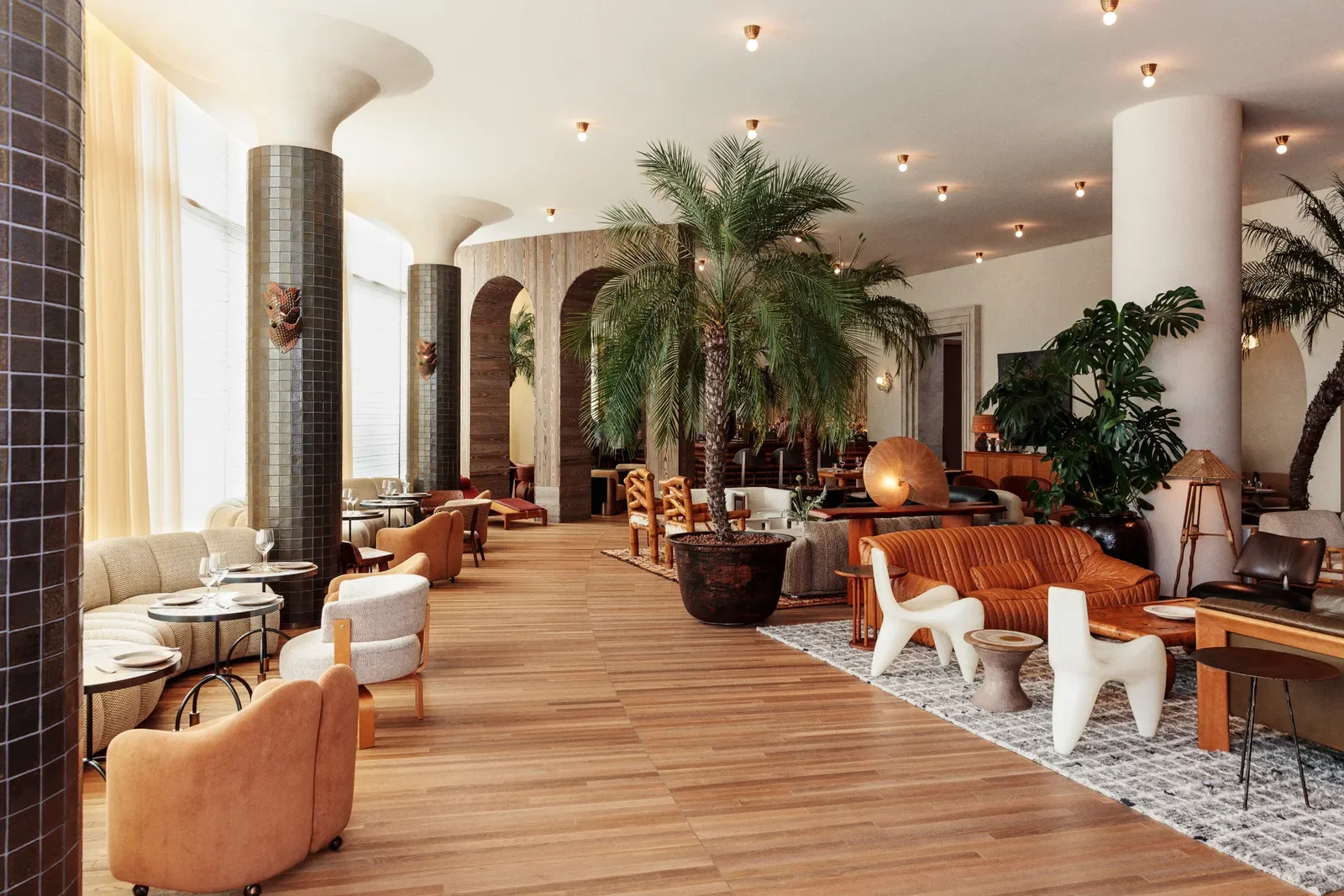
At Santa Monica Proper, the first impression is inevitably visual.
Designed by Kelly Wearstler, the hotel is layered with sculptural furniture, warm woods, expressive stone and an extraordinary collection of objects. There is an obsessive attention to detail, yet none of the preciousness that can make highly designed spaces feel untouchable. People gather. Conversations spill across tables. The rooms feel lived in.
It is something we have long admired in Wearstler’s work: the ability to make strong design feel deeply human. At Istorja, we carry a selection of her objects designed for Serax, pieces that bring some of that same sculptural character into the home.
What stayed with us most, however, was Proper’s approach to wellbeing.
Its Surya Spa is rooted in Ayurvedic principles, with treatments and programmes spanning yoga, meditation, cooking and traditional Panchakarma. Selected hotel rooms can also become private recovery spaces, with outdoor saunas, cold plunges and Ammortal recovery technology.
There is something quietly radical about this. Wellness is not treated as a separate department of the hotel. It enters the room. It becomes part of living there.
Design and wellbeing cease to be two ideas. They become one gesture.
Laurel Supply & Erewhon: The New Pantry
Los Angeles has a particular talent for turning wellbeing into a daily ritual.
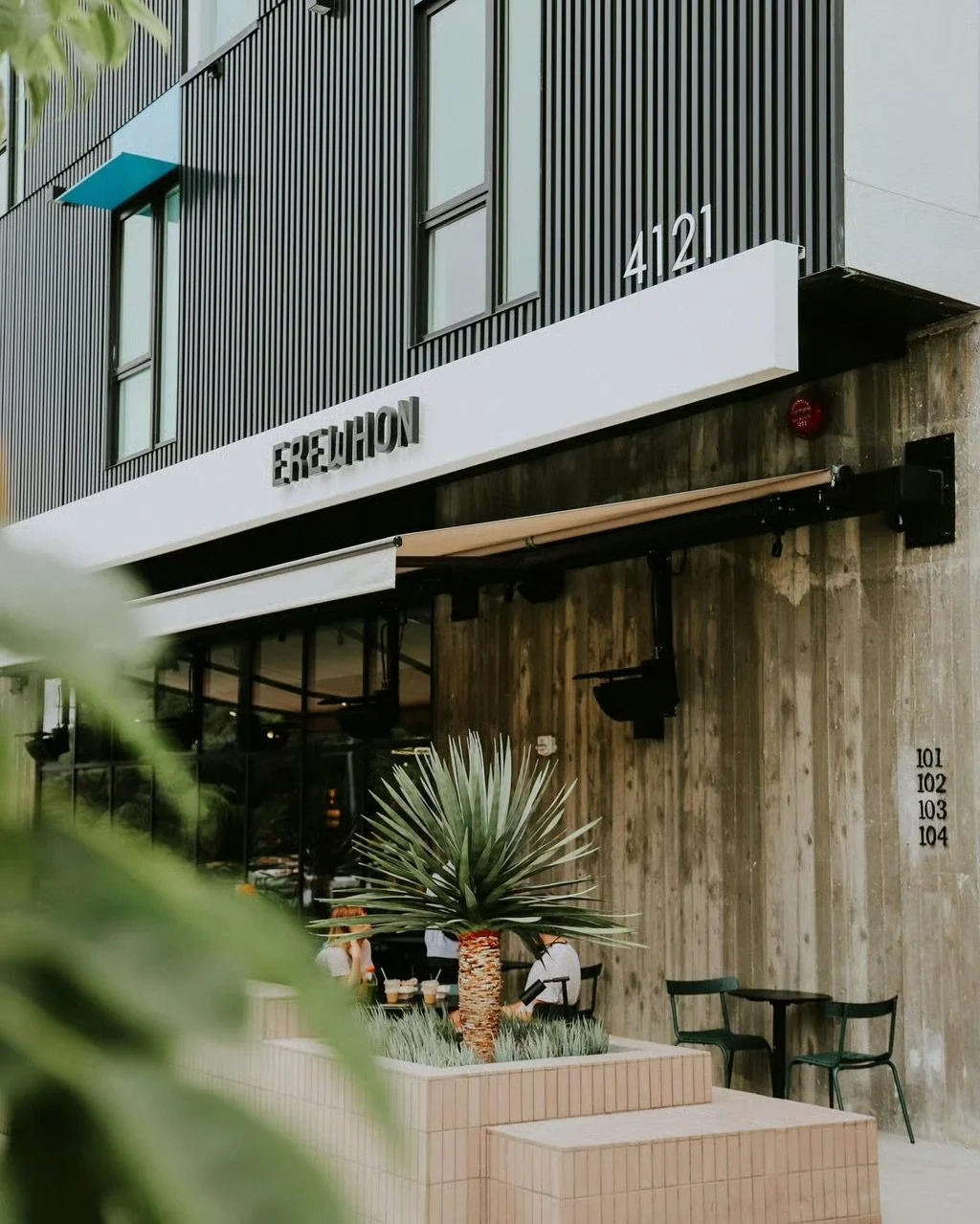
Much has been written about Erewhon, not least its famous smoothies, but behind the cultural phenomenon is something surprisingly simple: the food is genuinely good.
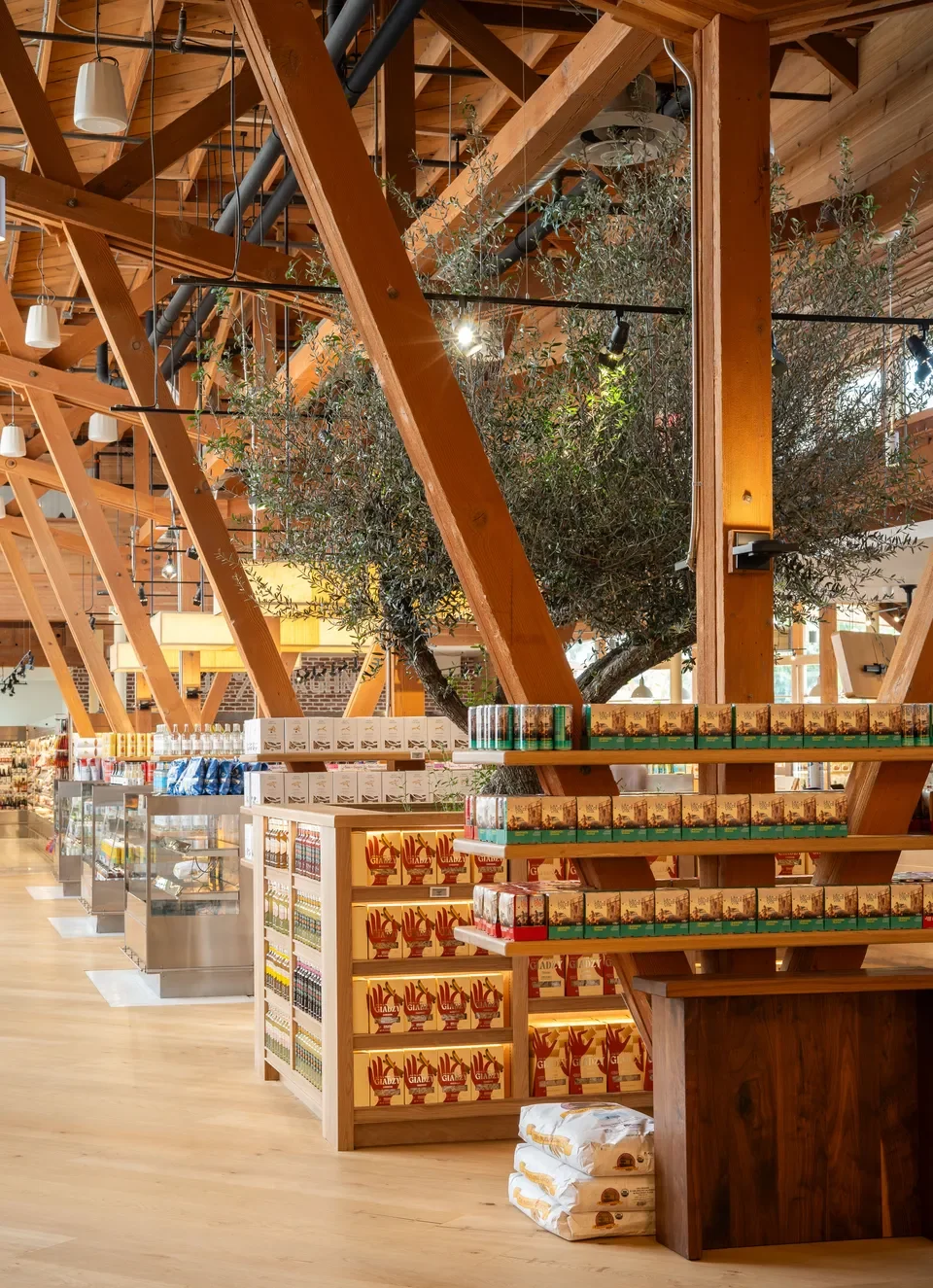
Supplements sit alongside fresh produce, bottled juices and an almost endless selection of nourishing food to take home. Wellness here is neither medicinal nor austere. It is desirable, abundant and embedded in the ordinary act of buying lunch or stocking the kitchen.
Laurel Supply offers another expression of the same idea. Beautifully designed, with prepared food, bottled juices, smoothies and a considered supplement edit, it feels less like a traditional health shop and more like a glimpse at what the neighbourhood pantry might become.
It was also strangely familiar. Among the shelves were names we know well at Istorja — Anima Mundi, Salt & Stone and AKT — encountered thousands of miles from home and placed naturally within this wider world of contemporary wellbeing.
Both spaces left us thinking about the future of food retail. Perhaps grocery shopping will increasingly become less about necessity and more about ritual: somewhere between the pantry, the apothecary and the kitchen.
Because living well is rarely about the grand gesture. More often, it is what we reach for every morning.
James Perse: The Shop as Home
There is a particular ease to James Perse.
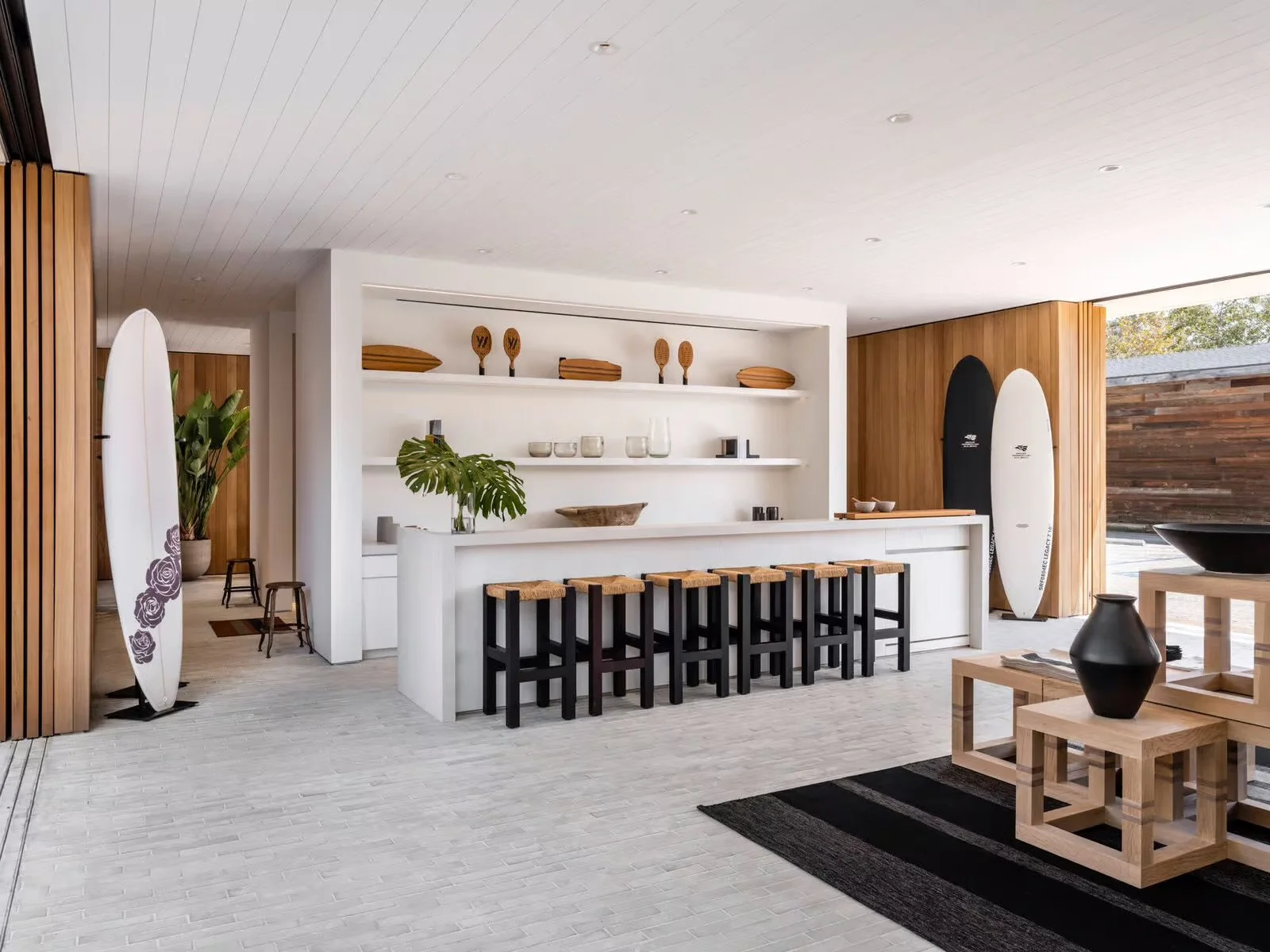
The clothes are beautifully made and deliberately understated, but it was the stores themselves that stayed with us. They feel less like retail environments than homes one might happily move into: low furniture, natural materials, soft light, objects placed with restraint.
Nothing seems to be trying too hard. Perhaps that is precisely why it works.
The distinction between product and environment begins to disappear. You are not simply being shown a shirt or a chair. You are being invited into a way of living — calm, tactile and uncomplicated.
The best retail spaces have always understood this. We do not only buy objects because of what they are. We are drawn to the life we imagine around them.
Just One Eye: The Pleasure of the Edit
If James Perse offers ease, Just One Eye offers the pleasure of discovery.
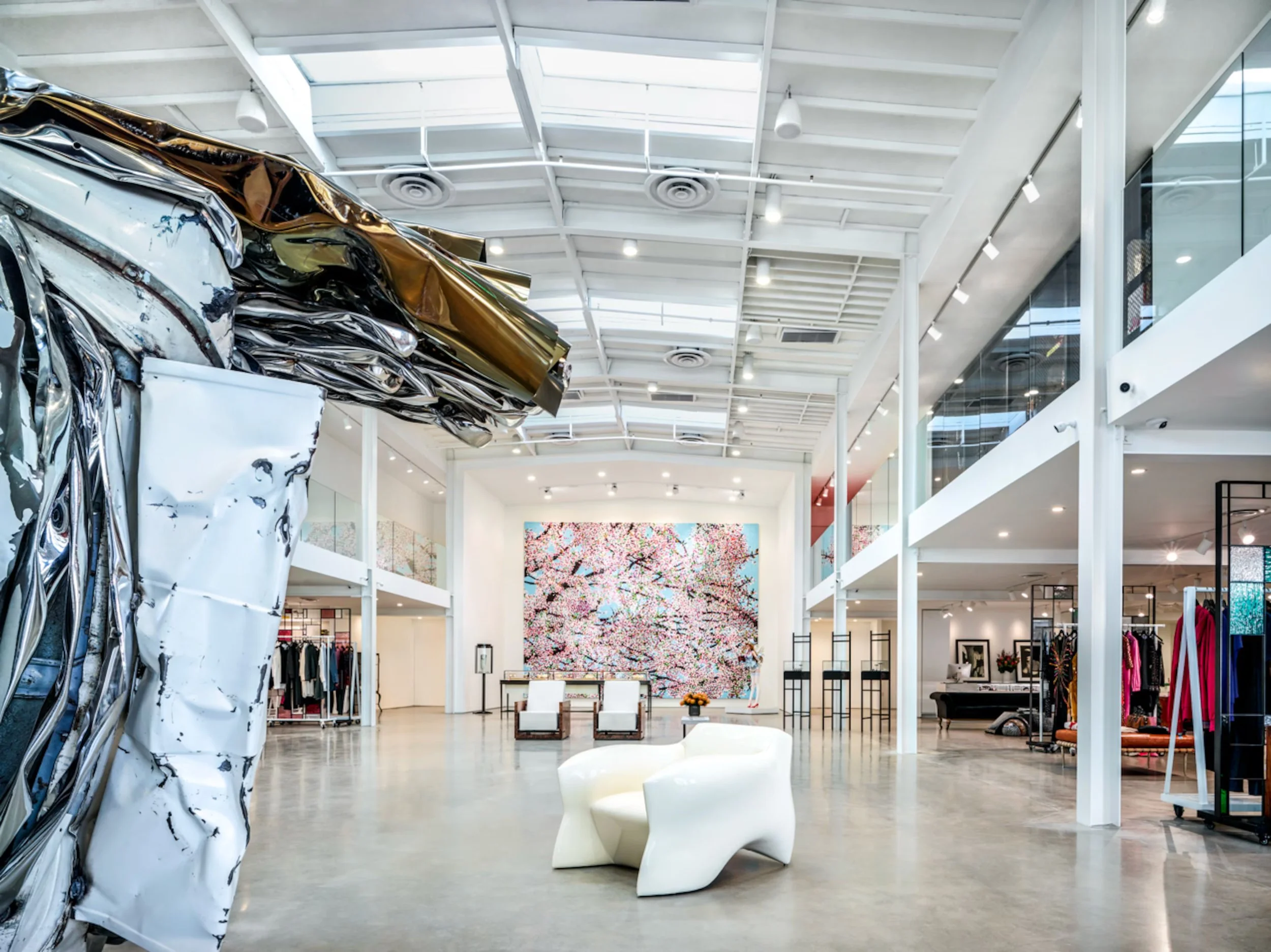
Set within Howard Hughes’s former Art Deco headquarters, it is difficult to describe as simply a shop. Art, jewellery, fashion, collectible design and vintage furniture coexist in rooms that unfold more like a private gallery.
The power is in the edit.
Objects from different disciplines and periods are allowed to speak to one another. A piece of furniture changes how you see a garment; art changes the atmosphere around jewellery. There is no need for everything to belong to the same category, only to share a certain point of view.
It reminded us that curation is not about having more. Quite the opposite. It is about knowing what deserves to sit beside what.
A House for Living Well
We returned from Los Angeles thinking less about the individual places than about what connected them.
At Santa Monica Proper, design and wellbeing exist as one. Erewhon and Laurel Supply make nourishment part of the everyday. James Perse turns retail into a vision of home. Just One Eye demonstrates the quiet intelligence of a truly considered edit.
Each holds a different piece of the same idea.
At Istorja, our ambition has always been to bring those pieces together: design, fashion, food, beauty and wellbeing, chosen not because they belong to the same category, but because they might belong to the same life.
Perhaps that is ultimately what a shop can be. Somewhere you would want to live.
And it is precisely why we called ourselves a House.
Images courtesy of Conde Nast, The BoF, Erewhon Facebook, James Perse